PLEASE SUBSCRIBE TO THIS CHANNEL! ????
https://www.youtube.com/channel/UC-SSTZ_cb9cl9x4giT6gUqw
Buy Me a Cup of Coffee (Joe!) ☕
https://www.buymeacoffee.com/808Spelunk
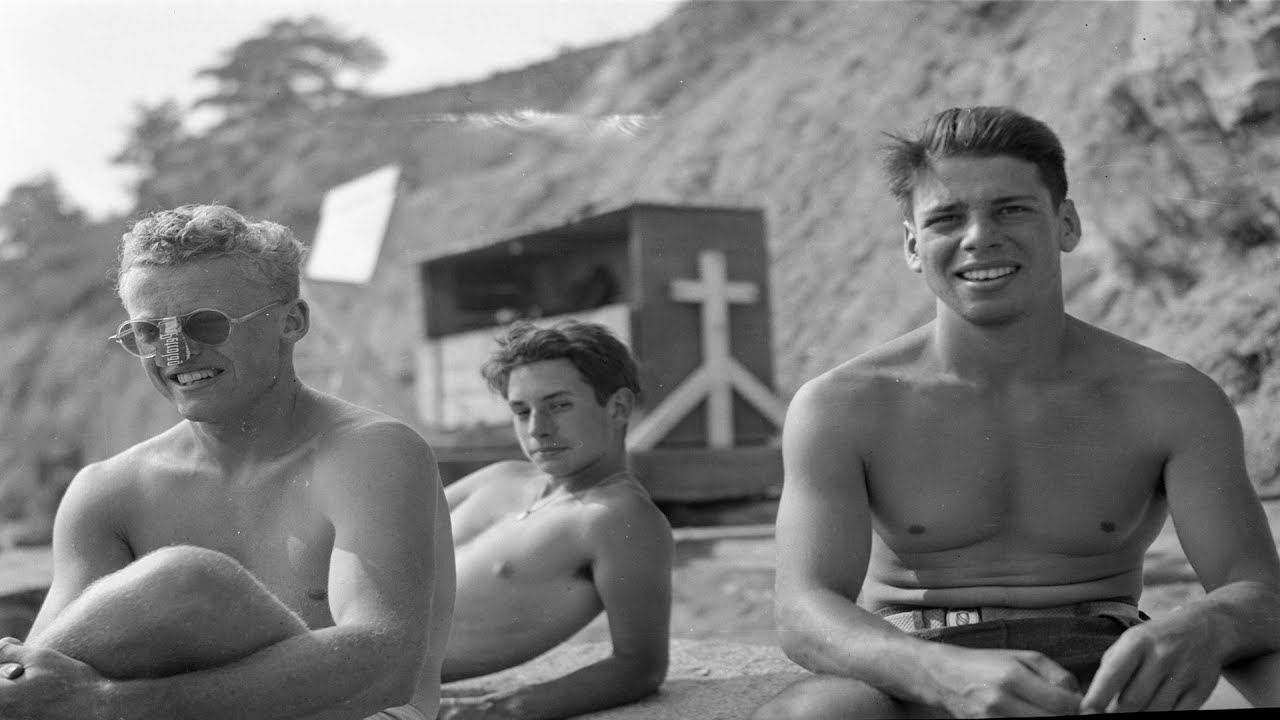
In the American cultural landscape, one of the most striking evolutions from the 1940s to the present day is the change in how men perceive and present their bodies. There was a time in the 1940s and 1950s when it was commonplace for men to swim and shower nude in communal spaces, flaunting a speedo style swimsuit on the beach without a second thought. But today, this has significantly changed with men advocating for private showers and opting for more conservative, baggy shorts for swimming or beach activities. The reasons behind this metamorphosis are intricate and multifaceted, encompassing influences from technological advancements to sociocultural shifts.
Advancements in technology over the past few decades have greatly transformed our world and how we interact with each other. The internet and smartphones, in particular, have created new platforms for sharing information—and sometimes oversharing.
The ubiquity of recording devices and the rise of social media platforms have inadvertently played a role in making men more conscious about their bodies and privacy. With a simple click, anyone can capture an image or video and share it with millions across the world in a matter of seconds, amplifying the risk of non-consensual dissemination of personal images.
The mid-20th century was a time when all-male spaces like the YMCA thrived. These places offered men a chance to bond and build relationships away from societal pressures, allowing for open expressions of masculinity, which included casual nudity.
However, over the years, with the push towards gender equality and desegregation of gendered spaces, these institutions gradually became co-ed. As men started sharing their spaces with women, this also led to a shift away from casual nudity.
Body image and beauty standards for men have changed drastically over the decades. The era of the 'everyman' physique in the mid-20th century—characterized by average, attainable bodies—gave way to a culture of hypermasculinity and muscle obsession in the late 20th and early 21st centuries. Media portrayals of the 'ideal' male body as muscular and well-defined have added pressure on men to measure up, making them more self-conscious about their bodies, especially in public spaces.
American society has seen a significant shift toward individualism over the past several decades. This cultural shift has been reflected in many aspects of life, including privacy. The importance placed on personal space and boundaries has grown, impacting how people, men included, interact in communal spaces. In the 1940s and 1950s, the aftereffects of the Great Depression and World War II had cultivated a communal sense of living among many Americans. Financial constraints and a collective spirit led to more shared experiences and spaces, from housing to transportation and recreational facilities. The relative lack of personal wealth and space created an environment where privacy was not as highly prized or as expected as it is today.
In this context, activities like swimming or showering in communal spaces or wearing less modest clothing were common and accepted. These shared experiences were not only seen as practical, but they also helped build a sense of community and camaraderie among men. These were spaces where men could interact freely and openly without the constraints that the broader society may have imposed.
Fast forward to the contemporary era, and the distinct shift is observable. Economic growth, increasing prosperity, and the burgeoning of the middle class have reshaped Americans' lifestyles and, by extension, their expectations of privacy. The post-war economic boom led to a greater emphasis on individual homes, personal vehicles, and private spaces. This move towards privatization fundamentally altered how individuals, including men, perceived their relationship with communal spaces.
As prosperity grew, so did the desire and expectation for personal space and privacy. The communal showers and swimming pools of the past have largely been replaced by private bathrooms and individual or family swimming pools. This shift in living conditions has had a profound impact on attitudes towards nudity and body image among American men. As personal spaces became more common, expectations of privacy increased, leading to a decrease in public nudity or semi-nudity.
Moreover, the societal shift towards individualism and self-expression has been accompanied by an increased emphasis on personal autonomy and control, including over one's body and its exposure. This change has led to a transformation in the way American men view and exhibit their bodies.
- Category
- Fansly Leaked
- Tags
- Photos, Photographs, Old photos
Commenting disabled.
Up Next
Autoplay
-
00:35

A new image ♥️ #redhair #fansly #shorts #красныеволосы #model #шортс #funny
-
32:09

Xmas Eve Box Ideas | The best and most personal ideas | Beauty, clothing, hot chocolate
-
00:42

Standing Dipping In Moccasins - A Short Film | Fansly Teaser |
-
01:36

Skinny jeans in the #pool ❤ #turtleneck #skinny #poolparty #boots #denim #water #wetter
-
03:23

✅ How To Sign Up Create Only Fans Account ????
-
00:15

I disagree #shorts #trending #comedy #memes #tiktok #tiktok #darkhumor #tiktokvideo #onlyfans
-
00:49

Best Alternative to Onlyfans - GlowAdult
-
11:31

J'AI CRÉE UN COMPTE ONLYFANS ! ????